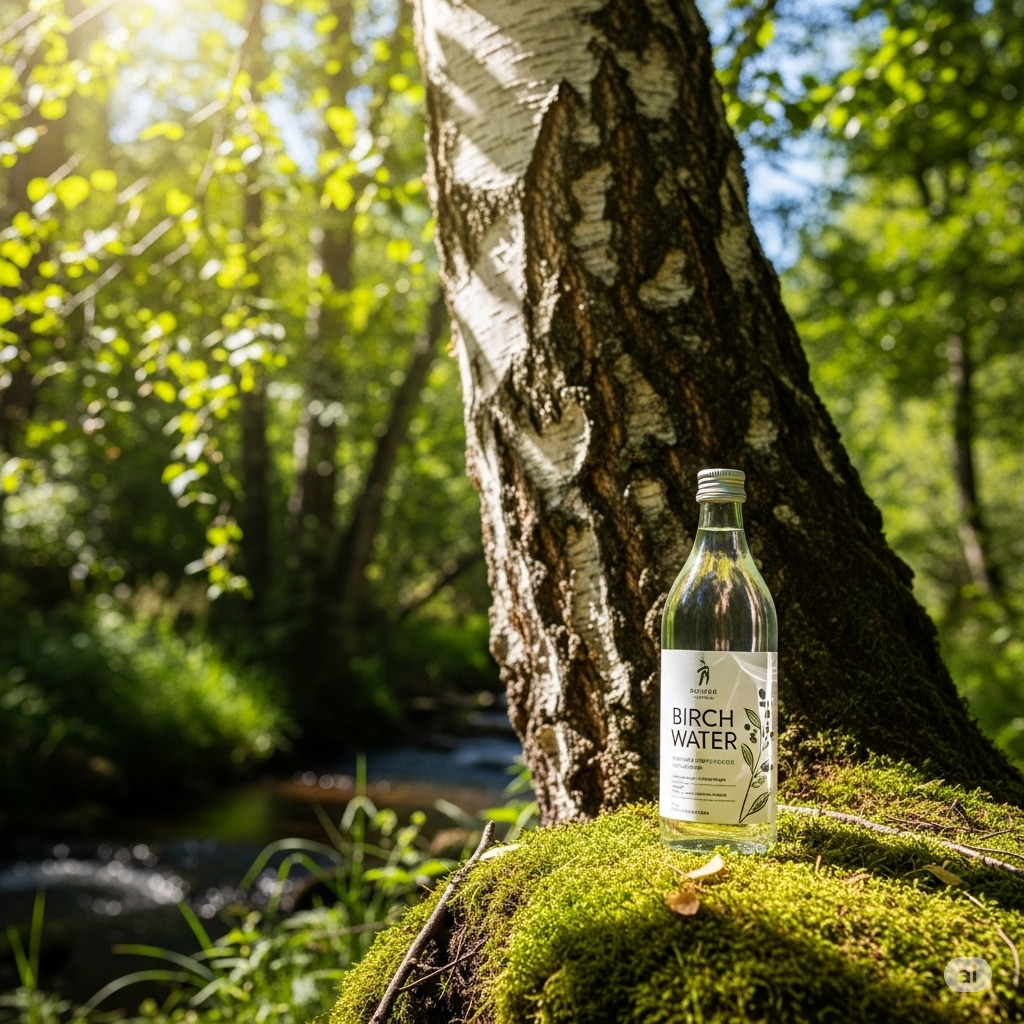
Birch Water Benefits: Nature’s Detox or Trendy Hype?
Exploring the sweet truth behind Tapped Birch and what science really says
Step outside on a crisp Vermont morning, and you’ll feel it: the quiet promise carried in every drop of sap rising from root to crown. While maple syrup has always been our family’s calling, we’ve watched our northern cousins in Scandinavia and the Baltics cherish something just as old—and perhaps even more elusive: birch water.
In today’s wellness aisles and farmers markets, birch water is being heralded as a natural detox drink, packed with minerals and antioxidants. But what’s behind these detox claims? Are they supported by science—or simply bottled hope? Let’s tap in and explore, glass in hand.
What Exactly Is Birch Water?
Birch water is the clear, slightly sweet sap collected each spring from birch trees (Betula pendula and Betula pubescens are common). Much like our maple sap, it’s gathered for just a few fleeting weeks as trees awaken from winter dormancy.
Unlike maple sap, birch sap is lighter in sugar (around 0.5–1%) and praised for its unique blend of micronutrients: manganese, magnesium, zinc, calcium, and naturally occurring antioxidants such as saponins and polyphenols.
And yes, it truly tastes like a walk in the woods—soft, fresh, slightly woody, with the faintest trace of sweetness.
The Detox Claims: What Marketers Say
If you’ve read labels or Instagram captions, you’ve likely seen phrases like:
✅ Flushes out toxins
✅ Supports liver health
✅ Boosts metabolism
✅ Balances electrolytes after exercise
Tapped Birch, a popular brand sold in eco-friendly cartons, highlights these benefits while emphasizing its natural origin and sustainable tapping.
But let’s step back: what does research say?
Detox or Daily Drink? Science Steps In
Let’s tackle the “detox” claim first. The human body already has an elegant, built-in detox system: your liver, kidneys, lungs, and skin all work together to filter, process, and eliminate waste. No single food or drink can magically “detox” your body.
That said, birch water may complement these natural processes, thanks to:
- Hydration: Staying hydrated helps kidneys function efficiently. Birch water’s mild mineral content makes it a pleasant alternative to plain water.
- Antioxidants: Early studies show birch sap contains polyphenols and saponins, which may help reduce oxidative stress—a known contributor to inflammation and chronic disease.
- Trace minerals: Manganese, zinc, and magnesium support enzyme function and metabolism.
However, these benefits come from overall diet and lifestyle. Birch water alone isn’t a quick fix—but it can be a refreshing, low-calorie part of a balanced routine.
Why We Like Tapped Birch
Here at Dragonfly Sugarworks, we respect makers who share our passion for gentle tapping and forest stewardship. Tapped Birch cartons caught our eye for several reasons:
- 🌱 Sustainable harvest: Tapping only mature trees and rotating sites, similar to responsible maple practices.
- 🌍 Eco-friendly packaging: Cartons are recyclable and lighter to ship.
- 🍃 Pure product: No added sugar, flavorings, or concentrates.
- 🇪🇺 Northern tradition: Tapped sources from forests in Finland and Latvia, where birch tapping is an age-old rite of spring.
The taste? Crisp and earthy, less sweet than maple sap but more refreshing than plain water—a woodland walk in liquid form.
Birch vs Maple: A Vermont Perspective
Both birch and maple sap bring the forest to your glass—but they differ:
| Birch Water | Maple Sap | |
|---|---|---|
| Sugar content | ~0.5–1% | ~2–3% |
| Flavor | Earthy, mildly sweet | Smooth, faintly caramel |
| Minerals | Rich in manganese, zinc, magnesium | Calcium, potassium, manganese |
| Tradition | Northern Europe, Russia | Vermont, Canada, Northeast US |
Curious about maple sap? Explore our guides on:
- What is maple sap?
- Health benefits of maple water
- How we sustainably tap maple trees
- Maple water vs coconut water
- From sap to syrup: our process
Quick Takeaways: Should You Try Birch Water?
✅ Naturally hydrating and low in sugar
✅ Contains antioxidants and trace minerals
✅ Eco-friendly when sourced responsibly (like Tapped Birch)
✅ Not a miracle detox cure—but a tasty way to support daily wellness
If you love maple water, birch offers a lighter, subtly earthy twist.
FAQs
Does birch water really detox your body?
Not directly. Birch water supports hydration and provides antioxidants, which help your body function well—but your liver and kidneys do the actual detox work.
What does birch water taste like?
Lightly sweet, crisp, and slightly woody—like a spring rain passing through birch branches.
Can you drink birch water every day?
Yes, as part of a balanced diet. It’s low in sugar and calories, and offers natural minerals.
Is birch water the same as maple water?
No. Both are raw sap tapped in spring, but maple is sweeter and higher in sugar; birch water is lighter and more earthy.
Where can I buy Tapped Birch water?
Tapped Birch is available online and at specialty grocers. Look for the eco-friendly cartons.
Bringing the Forest to Your Table
At Dragonfly Sugarworks, we celebrate every drop that flows from root to crown—whether maple or birch. Birch water may not be a silver bullet for detox, but it is a beautifully simple way to reconnect with nature, hydrate mindfully, and taste spring itself.
Curious? Try Tapped Birch for yourself and experience the soft, woodsy refreshment that northern forests have cherished for generations.
Here’s to mindful sips and sap-season magic. 🍃


